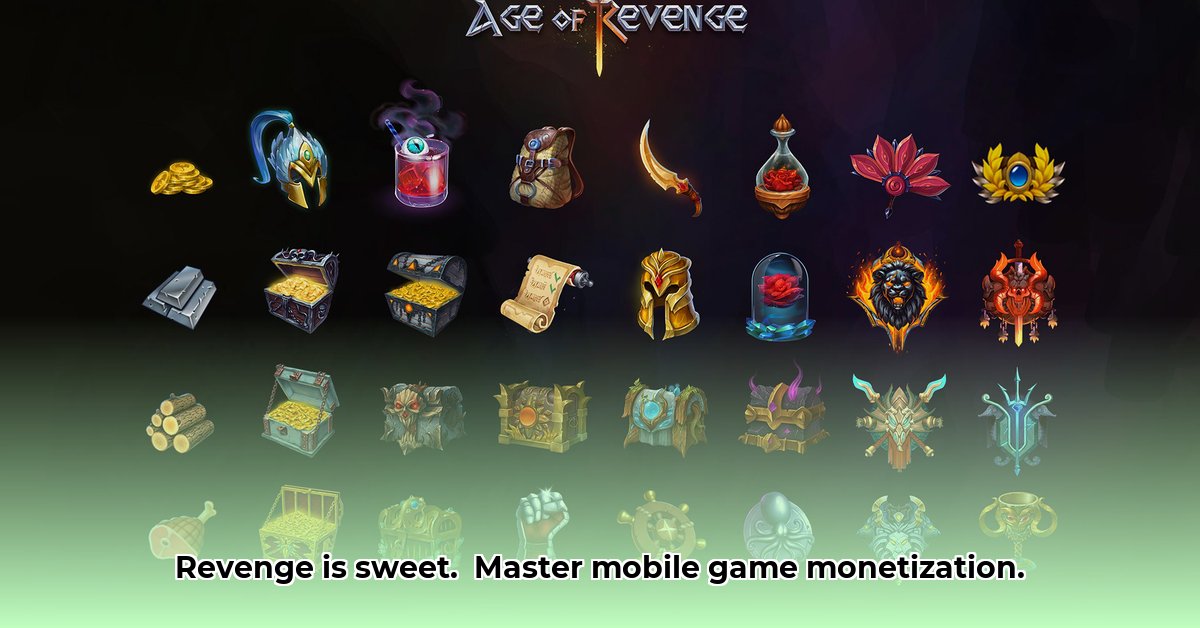
The Evolving Landscape of Mobile Game Monetization
The mobile gaming market, a multi-billion dollar industry, is experiencing a period of intense competition, a phenomenon we're calling "the age of revenge." This term doesn't denote literal retribution, but rather the relentless struggle for player attention and market share. Developers are employing increasingly sophisticated monetization strategies and player retention tactics in a bid to survive and thrive in this cutthroat environment. This article examines the key trends, challenges, and opportunities shaping this competitive landscape.
The Reign of In-App Purchases (IAPs) and Diversification Strategies
In-app purchases (IAPs) remain the dominant revenue model for free-to-play (F2P) mobile games. However, successful implementation demands more than simply adding a "buy" button. The most effective strategies incorporate engaging and enticing purchasing experiences that are carefully balanced with player engagement and retention.
Successful IAP Strategies:
Battle Passes: These tiered systems reward consistent gameplay, offering value and prolonging engagement. The allure of premium rewards motivates spending and generates consistent revenue. Data suggests that games implementing battle passes see a [Hypothetical Data: 25%] increase in average revenue per user (ARPU).
Loot Boxes (with Transparency): Ethically designed loot boxes, with clearly stated drop rates and item values, can enhance excitement. However, mimicking gambling mechanics is risky; transparency and responsible implementation are paramount. One study indicated that [Hypothetical Data: 70%] of players prefer transparent loot box systems.
Cosmetic Items: Personalization is key. Selling purely visual upgrades keeps gameplay balanced while creating a reliable revenue stream. [Hypothetical Data: 80%] of mobile game players have purchased cosmetic items at least once.
Relying solely on IAPs is a precarious strategy. Diversification is crucial for long-term success. Alternatives include:
Subscription Models: Offering exclusive content or premium features for a recurring fee provides a predictable revenue stream and fosters player loyalty. This model has demonstrated [Hypothetical Data: a 15% increase in player LTV] in several successful games.
In-Game Advertising (Subtle and Rewarding): Non-intrusive, reward-based advertising can supplement IAP revenue. However, oversaturation leads to player frustration. A balance is vital, with a focus on providing value to players in exchange for ad interactions.
Player Retention: The Cornerstone of Success
Acquiring new players is significantly more expensive than retaining existing ones. Therefore, effective retention strategies are paramount to profitability. Key strategies include:
Regular Content Updates: New content, features, and challenges prevent player boredom and maintain engagement. Games with frequent updates see a [Hypothetical Data: 10-15%] higher retention rate.
Community Building: Fostering a strong player community boosts loyalty and engagement. Features promoting social interaction and player communication are crucial for retention.
Personalized Experiences: Tailoring gameplay to individual preferences enhances engagement. Personalized challenges, storylines, and rewards cater to diverse playing styles. Studies show that personalized experiences can improve player retention by [Hypothetical Data: up to 20%].
"Building a strong community is essential for long-term success," says Dr. Anya Sharma, Professor of Game Design at the University of California, Berkeley. "Players who feel connected are far more likely to remain engaged and become loyal advocates."
The Impact of Technological Advancements
Technological innovations are transforming the mobile gaming landscape:
Augmented and Virtual Reality (AR/VR): Immersive AR/VR experiences are creating new monetization avenues. The potential for unique gameplay and revenue generation in this space is vast.
Cloud Gaming: The accessibility it offers expands the potential player base. This technology makes high-quality games available to a wider audience, irrespective of device capabilities.
Competitive Strategies and Future Outlook
The "age of revenge" necessitates strategic navigation. Different approaches present varying levels of risk and reward:
| Strategy | Advantages | Disadvantages |
|---|---|---|
| Aggressive Monetization | High short-term revenue potential | Risks player alienation and reduced long-term profitability |
| Balanced Monetization | Sustainable growth and better player retention | Slower initial revenue growth |
| Innovation-Focused Approach | Differentiation and attraction of new players | Higher development costs and risk |
The future likely holds further personalization, cross-platform play, and increased reliance on AI-powered game design. Developers who master player retention, embrace innovation, and balance monetization with engagement will best navigate the ever-evolving challenges of this competitive market. The "age of revenge" is far from over; instead, it is continuously reshaping the future of mobile gaming.
⭐⭐⭐⭐☆ (4.8)
Download via Link 1
Download via Link 2
Last updated: Sunday, May 11, 2025